Skip to content Skip to footer
Ceramic Tile vs Porcelain Tile: Which Is Right for You? | CSI Carpet Chicagoland
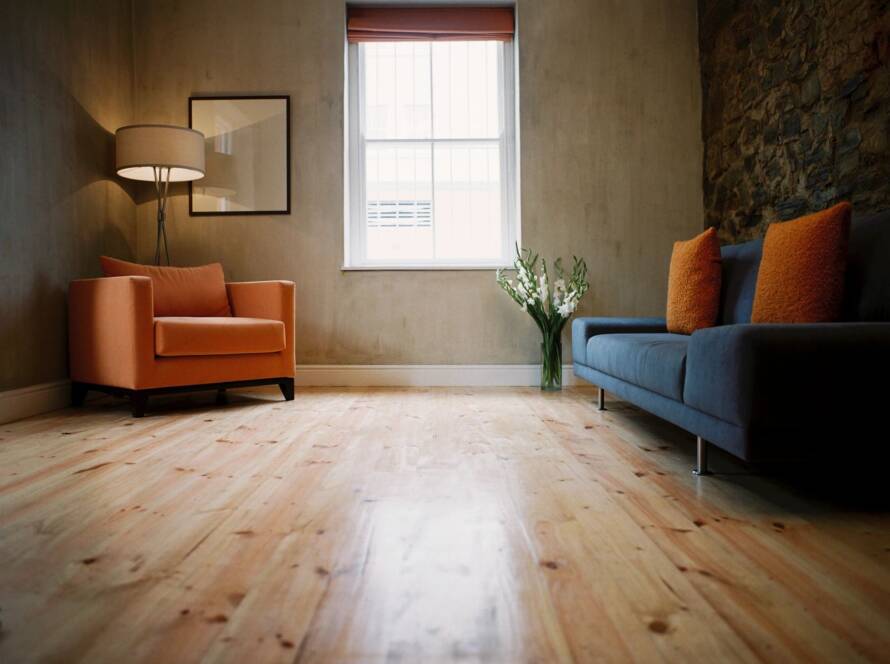
Ceramic tile floors in a modern kitchen installed by Carpet Services Incorporated
Educational Guide · Tile Flooring

Ceramic Tile vs
Porcelain Tile

Know the real differences before you buy — durability, water resistance, cost, and which tile wins in each room of your Chicagoland home or business.

The Basics

Understanding the Ceramic Tile vs Porcelain Tile Debate

Walk into any tile showroom and you'll hear it — "porcelain is stronger than ceramic." But what does that actually mean for your kitchen, bathroom, or commercial floor? At Carpet Services Incorporated (CSI), we've been answering this question for Chicagoland homeowners and contractors for over 45 years.

Both ceramic and porcelain tiles are fired clay products — they share the same broad family. The distinction comes down to raw material density, firing temperature, and the result: how much water each tile absorbs, how hard it is, and where each performs best. Getting this choice right before installation saves you money, maintenance headaches, and premature replacements.

This guide breaks down every meaningful difference — material composition, water absorption, hardness, cost, and ideal applications — so you can walk into your estimate conversation fully informed.

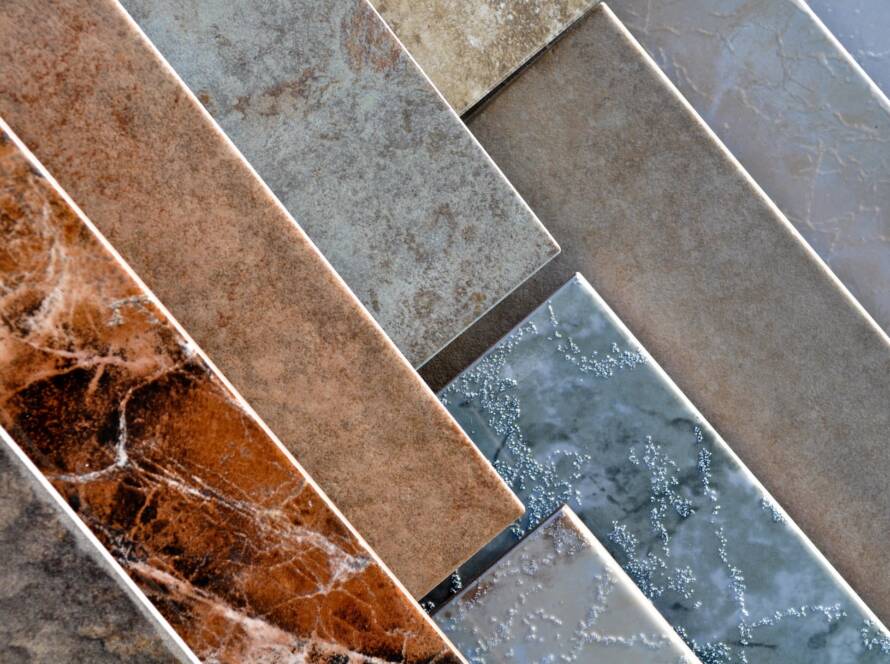
Close-up of ceramic tile flooring showing texture and finish options available at CSI Carpet Addison IL
Side-by-Side

Ceramic Tile vs Porcelain Tile: Key Differences

The table below gives you an at-a-glance view of how these two tile types stack up across the factors that matter most to Chicagoland buyers.

Feature Ceramic Tile Porcelain Tile
Clay Composition Coarser, mixed clay blend Fine, purified kaolin clay
Firing Temperature Lower (~2,000 °F) Higher (~2,300–2,500 °F)
Water Absorption Up to 3% (ANSI standard) Under 0.5% (denser body)
Hardness (PEI Rating) 1–3 (light–moderate traffic) 3–5 (moderate–heavy traffic)
Chip & Scratch Resistance Good — glaze over softer body Excellent — color runs through
Frost Resistance Not recommended outdoors Frost-rated grades available
Ease of Cutting Easier — standard wet saw Harder — requires diamond blade
Typical Material Cost $1–$6 per sq ft $3–$12 per sq ft
Installation Cost Lower (easier to work with) Higher (specialist tools needed)
Best Indoor Use Walls, light-use bathrooms, backsplashes Floors, showers, high-traffic areas
Outdoor Suitable Generally no Frost-rated grades, yes
Commercial Grade Limited — lighter duty Full commercial service
Breaking It Down

Where Each Tile Type Wins

When Ceramic Tile Is the Right Call

Ceramic tile earns its place in any renovation budget where the space won't see heavy moisture or punishing foot traffic. Because it uses a coarser clay body and fires at a lower temperature, it remains easier to cut and shape — meaning your installer can work faster, keeping labor costs down.

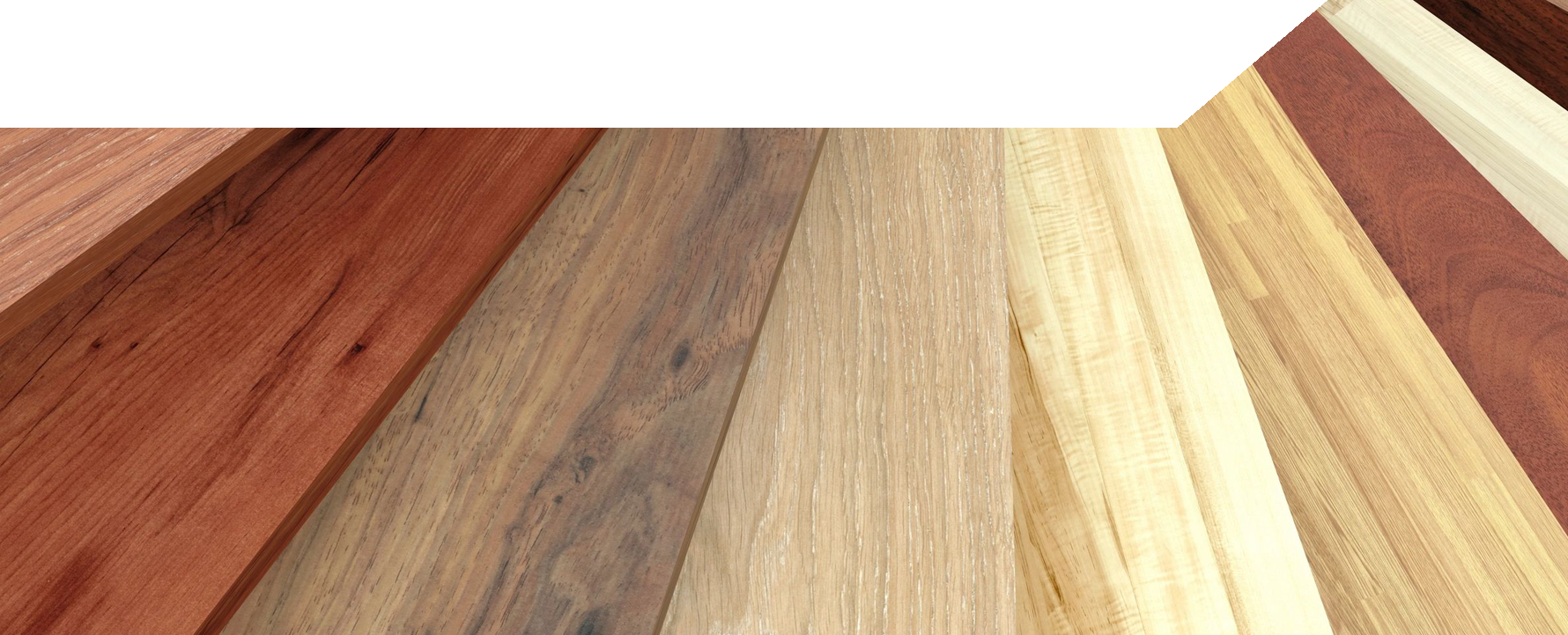
Ceramic shines as a wall tile, kitchen backsplash, or accent feature. It's available in an enormous range of glazed finishes, colors, and patterns, and since the glaze is what takes the wear, lighter-use floors like a guest bathroom or a residential laundry room are perfectly served by a quality ceramic tile.

Budget-conscious renovators will also appreciate that ceramic typically costs 20–40% less per square foot than comparable porcelain, with lower installation labor on top. For a large-format wall application, those savings are real money.

When Porcelain Tile Is Worth the Investment

Porcelain is made from refined kaolin clay, pressed under higher pressure and fired at significantly higher temperatures. The result is a denser, harder tile with a water absorption rate under 0.5% — effectively impervious to moisture. That matters enormously in Chicagoland's freeze-thaw climate and in wet environments like master showers, mudrooms, and pool surrounds.

Because porcelain's color runs through the full body of the tile — not just the surface glaze — chips and scratches are far less visible than on ceramic. For high-traffic commercial floors, restaurant kitchens, or retail spaces, porcelain's PEI 4–5 hardness rating is the only sensible choice.

Through-body porcelain also enables the large-format looks (24×48" and beyond) that define contemporary Chicagoland interiors without the structural weakness that would compromise a ceramic tile at that size.

Professional Installation

What the Installation Process Looks Like

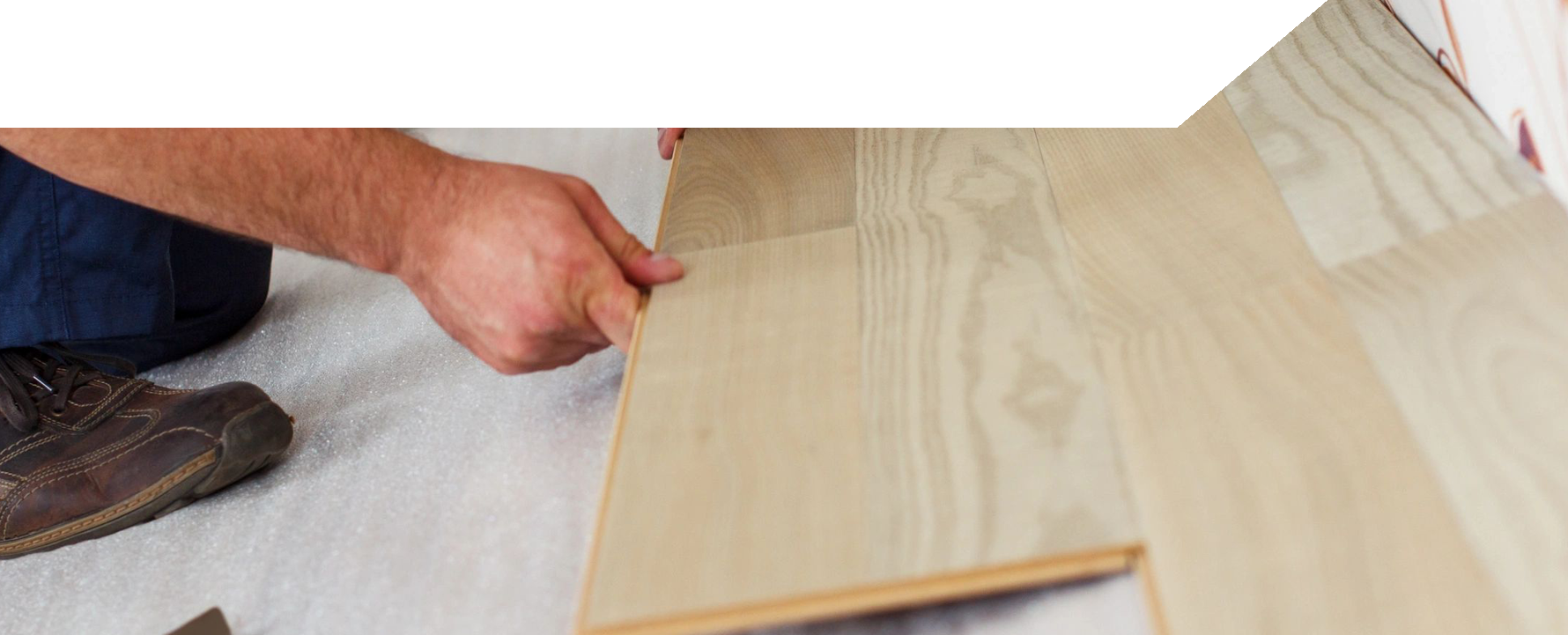
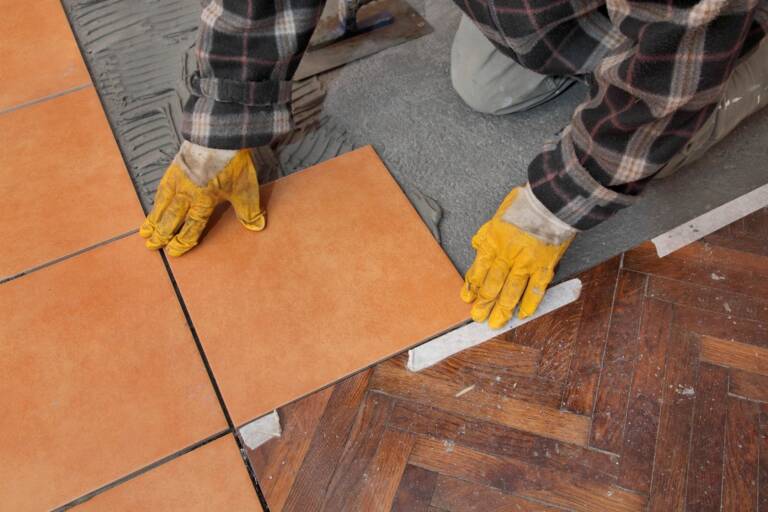
Choosing between ceramic and porcelain isn't just a material decision — it affects your installation timeline, substrate requirements, and which tools your installer needs. At Carpet Services Incorporated, our tile crews are equipped for both, with the diamond-blade wet saws, proper thinset selection, and substrate prep experience that porcelain demands.

For ceramic tile, the substrate requirements are more forgiving and cuts are faster. A standard bathroom wall tiling project might be completed in one to two days. Porcelain floor installations require careful attention to substrate flatness (within 3/16" per 10 feet per industry spec), appropriate large-format thinset, and extended working times to ensure each tile is fully bedded before grouting.

Both tile types benefit from professional grouting — a step many DIYers underestimate. The right grout type, joint width, and sealing protocol determine how long the installation looks good and how easy it is to clean.

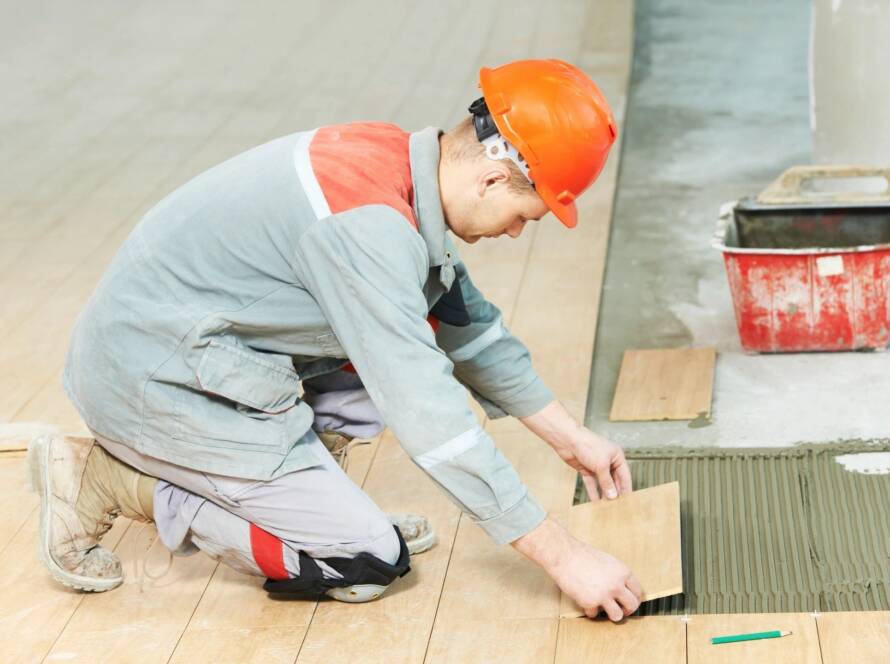
Porcelain tile floor installation by Carpet Services Incorporated showing large-format tiles in a Chicagoland home
Room-by-Room Guide

Which Tile for Which Room?

The best tile for any space depends on moisture exposure, foot traffic, and your design goals. Here's how our CSI installers typically recommend splitting the decision:

Kitchen Floor

Porcelain recommended. Heavy foot traffic, spills, and grease demand a PEI 4+ tile with low moisture absorption.

Kitchen Backsplash

Ceramic excels here — wall applications have no impact load, and ceramic's glaze variety lets your design personality shine.

Master Bath Floor

Porcelain, always. Continuous moisture exposure makes the sub-0.5% absorption rate non-negotiable.

Shower Walls

Either works on vertical surfaces, but porcelain's density means fewer grout joints and better long-term performance.

Mudroom / Entryway

Porcelain. Chicago winters bring salt, slush, and sand — a frost-rated porcelain tile stands up where ceramic chips.

Living Room Accent Wall

Ceramic or porcelain — here aesthetics lead. Large-format porcelain creates a dramatic contemporary statement.

Commercial Retail / Office

Porcelain with PEI 4–5 rating. Foot traffic volume and cleaning chemical exposure eliminate ceramic from consideration.

Outdoor Patio (IL Climate)

Frost-rated porcelain only. Standard ceramic will crack in freeze-thaw cycles typical of Chicagoland winters.

Ready to Get Started?

Request Your Free Tile Estimate

Still weighing ceramic vs porcelain for your project? Our CSI team will walk you through the options in person at our Addison showroom or at your home — no obligation.

45+ Years of Tile Expertise

Why Chicagoland Chooses Carpet Services Incorporated

Since 1979, Carpet Services Incorporated (CSI) has been the Chicagoland region's trusted flooring contractor for both residential and commercial tile projects. We don't just sell tile — we guide you through the selection process, prepare your substrate correctly, and back every installation with the craftsmanship our 45-year reputation demands.

Our team is equally fluent in ceramic tile and porcelain tile installation. We carry a curated range of both in our Addison, IL showroom, and we offer transparent, itemized estimates so you understand exactly what you're paying for before a single tile is set.

We're licensed, insured, and locally owned — no franchises, no subcontracting surprises. When you hire CSI, the same experienced crew that quoted your job installs it.

  • 45+ years serving Chicagoland homeowners and commercial clients
  • Ceramic & porcelain specialists — full substrate prep and grout sealing included
  • Residential & commercial — from a single bathroom to a full commercial buildout
  • Transparent pricing — free, itemized estimates with no hidden fees
  • Licensed & insured — peace of mind on every project, large or small
Common Questions

Ceramic Tile vs Porcelain Tile — FAQ

  • What is the main difference between ceramic tile and porcelain tile?

    Porcelain tile is fired at higher temperatures from a denser, more refined clay mixture, making it less porous and harder than standard ceramic tile. Ceramic tile is easier to cut and install, while porcelain is more durable, water-resistant, and better suited to high-traffic and outdoor applications.

  • Is porcelain tile better than ceramic tile for bathrooms?

    Yes, porcelain is generally the better choice for bathroom floors and showers. Its water absorption rate under 0.5% resists moisture, mold, and staining far better than standard ceramic. For bathroom walls or backsplashes with lower moisture exposure, ceramic tile is a perfectly sound and more cost-effective option.

  • Is ceramic tile cheaper than porcelain tile?

    Yes, ceramic tile is typically less expensive both in material cost (often $1–$6 per sq ft vs $3–$12 for porcelain) and in installation labor, since it is softer and easier to cut. For spaces where porcelain's performance advantages aren't needed — like a kitchen backsplash — ceramic can save meaningful budget without sacrificing quality.

  • Can porcelain tile be used outdoors in the Chicago area?

    Yes — but you must specify a frost-rated porcelain tile. Its near-zero water absorption prevents water from penetrating the tile body and cracking it during Chicagoland's freeze-thaw cycles. Standard ceramic tile is not recommended for outdoor use in Illinois climates. Always ask your CSI estimator to confirm the tile's frost rating before outdoor installation.

  • Which tile is harder to install — ceramic or porcelain?

    Porcelain is harder and denser, requiring diamond-tipped blades, specialized large-format thinset, and more precise substrate preparation. Professional installation is especially important for porcelain floors to avoid lippage (uneven tile edges) and cracking. Ceramic is more forgiving for cutting and placing, which contributes to its lower installation cost.

  • Which tile should I choose for a high-traffic commercial floor?

    Porcelain tile is the standard for commercial high-traffic floors. A PEI rating of 4–5 is recommended for areas like retail floors, restaurant kitchens, and office lobbies. Porcelain's scratch resistance, low water absorption, and through-body color also make it easier to maintain and longer-lasting under commercial cleaning protocols.

Explore Further

Ready to go deeper? Explore our full tile and flooring offerings from the CSI Chicagoland showroom.

Visit Our Showroom

Talk to a CSI Tile Expert Today

Our Addison showroom has ceramic and porcelain samples you can see and feel side by side. Bring your room dimensions and we'll build you a no-obligation, itemized estimate on the spot.

Call (708) 222-8200

Carpet Services Incorporated

30 W Fay Ave, Addison, IL 60101

(708) 222-8200

cs@csicarpet.com

Showroom Hours
Monday – Friday: 9:00 am – 4:00 pm
Free Estimate

Fill out the form and a CSI tile specialist will reach out to schedule your free in-home or showroom consultation.