As a landlord, every dollar you invest in your rental property needs to work hard for you. Among all the upgrades and improvements you can make, flooring is one of the most impactful decisions that directly affects your bottom line. The right flooring not only attracts quality tenants and commands higher rent, but it also reduces your maintenance costs, survives tenant turnover cycles, and ultimately maximizes your return on investment (ROI).
Choosing flooring for a rental property is fundamentally different from choosing it for your own home. Where a homeowner might prioritize aesthetics above all else, a landlord must balance durability, ease of maintenance, upfront cost, and long-term value. The wrong choice can mean replacing floors every few years, eating into your profits significantly. The right choice, on the other hand, can mean flooring that lasts a decade or more with minimal intervention.
This comprehensive guide walks you through the best flooring options available for rental properties, what to look for in each material, and how to make a smart investment that pays dividends for years to come. You can also explore the best flooring options specifically for rental properties to dive deeper into material comparisons tailored for landlords.
Why Flooring Is One of the Most Important Investments for Landlords
Before diving into specific materials, it is worth understanding why flooring deserves serious attention in your rental property strategy.
First, flooring is one of the first things a prospective tenant notices during a showing. Worn, stained, or outdated floors can cause otherwise interested renters to pass on a unit, directly reducing your occupancy rates. On the flip side, fresh, attractive flooring can be the deciding factor that pushes someone to sign a lease.
Second, flooring endures more abuse in a rental than almost any other surface. Tenants may have pets, children, heavy furniture, and varying levels of care for the property. Over the lease period, floors take a beating from foot traffic, spills, dropped objects, and moving in and out. Choosing a material that can withstand all of this means fewer repair costs and less frequent full replacements between tenants.
Third, flooring replacement during tenant turnover is one of the biggest unexpected expenses landlords face. Minimizing how often you need to do it — and minimizing the cost when you do — is a critical component of protecting your rental income.
Luxury Vinyl Plank (LVP): The Gold Standard for Rental Properties
If there is one flooring material that has consistently risen to the top of the list for landlords across the country, it is luxury vinyl plank, commonly known as LVP. This material has transformed the rental property market over the past decade, offering an almost ideal combination of durability, affordability, aesthetics, and ease of maintenance.
LVP is constructed with multiple layers: a rigid or flexible core, a photographic design layer that can realistically mimic wood, stone, or tile, and a protective wear layer on top. That wear layer is the key to its durability — it resists scratches, scuffs, and surface damage in a way that real hardwood simply cannot.
Why landlords love LVP:
Waterproof construction is perhaps the single most valuable feature for rental properties. Tenants spill things. Pipes occasionally leak. Humidity fluctuates. With LVP, none of that causes permanent damage the way it would with hardwood or laminate. This is especially critical for kitchens, bathrooms, laundry areas, and basements. Explore the full range of waterproof flooring solutions to understand your best options for moisture-prone rooms.
Scratch and dent resistance means LVP can handle pets, children, and moving furniture without showing the kind of damage that would require replacement. Many LVP products carry a wear layer rated for commercial use, meaning they are genuinely built for high-traffic environments.
Easy installation and replacement is a practical benefit that reduces labor costs significantly. LVP typically uses a floating click-lock system, meaning it can be installed quickly without adhesive. If a section is ever damaged badly enough to need replacing, individual planks can often be swapped out without tearing up the entire floor.
Cost-effective pricing makes LVP accessible even for landlords managing their budgets tightly. Quality LVP typically runs between $2 and $7 per square foot for the material itself, with installation adding to that cost but remaining competitive compared to hardwood or tile.
Realistic aesthetics mean you do not have to sacrifice attractiveness for durability. Modern LVP products are virtually indistinguishable from real hardwood or stone at a glance, allowing you to create beautiful spaces that photograph well for listings and impress tenants on showings.
For property managers looking to streamline flooring across multiple units, professional property manager flooring services can handle large-scale LVP installations efficiently, reducing your per-unit cost and ensuring consistent results across your portfolio.
Ceramic and Porcelain Tile: Durable Options for High-Traffic Areas
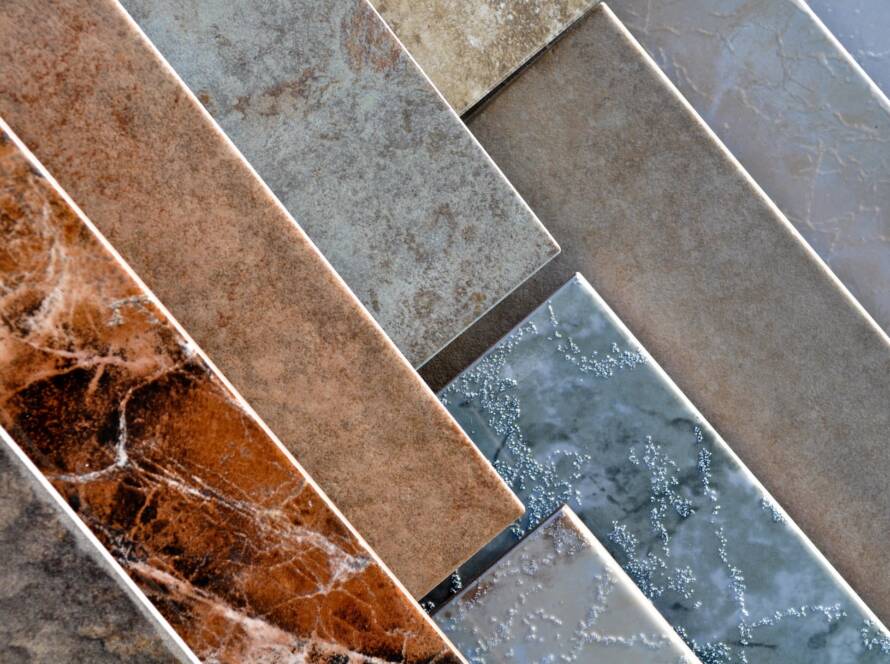
For areas like entryways, kitchens, bathrooms, and laundry rooms, ceramic or porcelain tile remains one of the most durable and cost-effective choices available. When properly installed on a prepared subfloor, tile can last the entire life of the building without needing replacement.
Porcelain tile is denser and less porous than ceramic, making it more resistant to moisture and staining — a meaningful advantage in rental settings. It is also harder and more resistant to chipping, which matters in heavy-use areas. Ceramic tile is slightly less expensive and perfectly adequate for areas with moderate traffic and moisture exposure.
The practical benefits for landlords are substantial. Tile does not absorb odors, making it ideal for kitchens and bathrooms where cooking smells and humidity are present. It does not harbor allergens or dust mites. It cleans easily with standard household products. A properly installed tile floor can go 20 to 30 years without requiring significant work beyond basic maintenance.
The main drawback of tile is its unforgiving hardness underfoot, which can be uncomfortable in living areas, and its susceptibility to cracked grout lines over time if the subfloor is not properly prepared. Cracked grout is both a maintenance issue and an aesthetic problem, so investing in solid subfloor preparation before installation pays off significantly.
Laminate Flooring: Budget-Friendly with Decent Durability
Laminate flooring occupies an interesting space in the rental property toolkit. It offers the look of hardwood at a fraction of the price and performs reasonably well in medium-traffic applications. However, its Achilles heel is moisture — laminate is not waterproof, and water infiltration can cause it to swell, buckle, and warp irreparably.
For rental properties in dry climates, or for above-grade rooms where moisture is not a concern, laminate can be a cost-effective choice. A quality laminate floor in a bedroom or living room can easily last 10 years or more under normal rental conditions. The AC rating system (which measures scratch and abrasion resistance) is a useful guide: look for AC3 or higher ratings for rental use.
That said, the industry trend has been moving toward LVP precisely because it offers similar aesthetics and pricing to laminate while adding the crucial benefit of waterproofing. For most landlords today, LVP is the better investment unless budget is extremely constrained and the installation area is low-risk for moisture exposure.
Hardwood Flooring: High Appeal, Higher Risk
Solid hardwood flooring commands premium rents and is highly attractive to tenants who want an upscale living environment. In the right market — higher-end rentals in desirable urban neighborhoods, for instance — hardwood can meaningfully increase what you can charge per month and reduce vacancy periods.
However, hardwood is a challenging choice for most rental scenarios. It is expensive to install, typically running $8 to $15 per square foot or more with labor. It requires refinishing every several years under heavy use. It is vulnerable to moisture, pet accidents, heavy furniture, and high heels. Scratches and dents accumulate quickly with tenants who do not treat the floor with the same care an owner would.
If you do have hardwood in a rental and it is in good condition, maintaining it with proper care guidelines and periodic refinishing is worthwhile. But installing new hardwood specifically for a rental property is generally difficult to justify from a pure ROI standpoint unless you are operating in a premium market segment where tenants expect and pay for it.
Carpet: Strategic Use Only
Carpet is the most polarizing flooring choice in the rental world. Tenants either love the warmth and comfort it provides or are immediately turned off by it — particularly in today’s market, where hard-surface flooring has become the expectation in most regions.
Carpet has real advantages in specific contexts. Bedrooms, in particular, benefit from carpet’s sound insulation, comfort underfoot, and thermal properties. In cold climates, carpeted bedrooms are a genuine selling point. Carpet is also significantly cheaper to install than hard flooring, which can matter when you are furnishing multiple bedrooms across a large portfolio.
The drawbacks are well known. Carpet absorbs stains, odors, and pet dander in ways that are difficult or impossible to fully remediate. A tenant with a dog or a smoking habit can render a carpet un-rentable for the next tenant, forcing you to replace it entirely. Budget for carpet replacement every 5 to 7 years in typical rental use, and potentially sooner if tenants are hard on it.
If you do use carpet, choose a medium-grade commercial-style product rather than the cheapest option available. Cheaper carpet wears out faster, looks shabby sooner, and ultimately costs you more in replacements. A slightly better carpet that lasts twice as long is nearly always the smarter investment.
Sheet Vinyl: The Budget Workhorse
Sheet vinyl is one of the oldest options in the rental property playbook, and it still has a role to play — particularly in bathrooms, laundry rooms, and kitchens where budget is tight. Modern sheet vinyl has improved considerably from its older iterations and now comes in styles that are reasonably attractive and highly functional.
The waterproof nature of sheet vinyl makes it practical for wet areas, and its seamless installation means there are no grout lines or click-lock seams for water to infiltrate. It is among the cheapest flooring options available, typically running $1 to $3 per square foot installed. The trade-off is a shorter lifespan and less visual appeal compared to LVP or tile.
Smart Strategies for Landlords: Making the Right Choice
Understanding the materials is only half the battle. Applying smart strategy to your flooring decisions is what separates landlords who maximize ROI from those who continually struggle with maintenance costs.
Standardize across your portfolio. If you manage multiple units, choosing one or two standard flooring products across all of them simplifies ordering, reduces per-unit costs through volume, and makes repairs easier since you always have matching materials on hand.
Invest in subfloor preparation. The longevity of any floor covering is heavily dependent on the quality of the subfloor beneath it. Skipping proper subfloor preparation to save a few dollars is a false economy — it leads to premature failure of even high-quality materials. Proper subfloor work is non-negotiable for long-term durability.
Choose neutral colors. Trendy colors and patterns may look great today but can date quickly or fail to appeal to a broad range of tenants. Neutral grays, warm beiges, and natural wood tones photograph well, appeal to the widest audience, and do not need to be replaced simply because they look dated a few years from now.
Plan for tenant turnover. Even the most durable flooring eventually needs refreshing. Build a flooring maintenance fund into your operating budget so that when the time comes — whether for a full replacement or spot repairs — you are financially prepared and can act quickly to minimize vacancy.
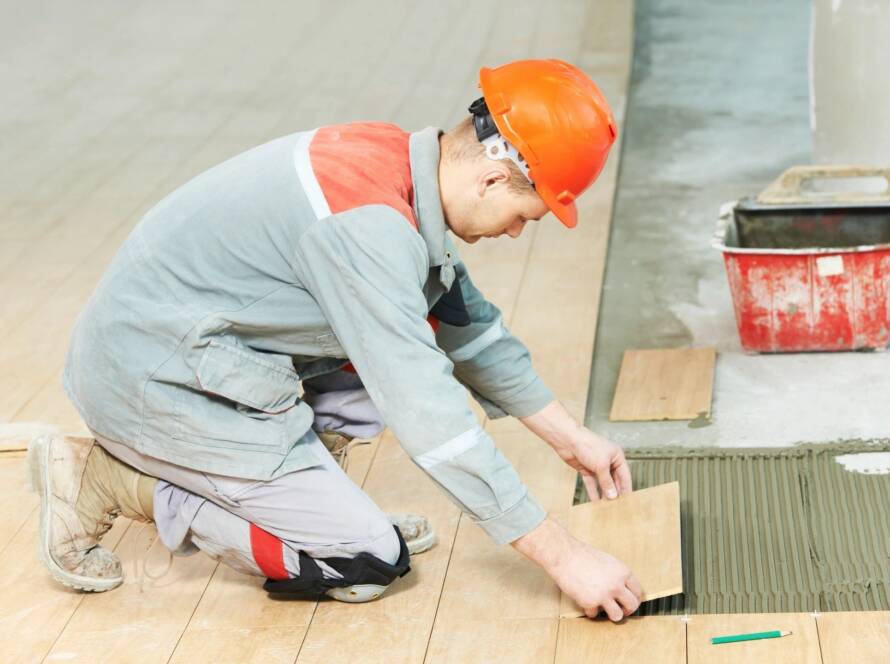
Work with experienced installers. A great floor product poorly installed will fail prematurely, negating the investment you made in quality materials. Whether you are handling apartment flooring installation for a single unit or a whole building, professional installation by experienced flooring contractors protects your investment and ensures the floor performs as the manufacturer intended.
The ROI Math: Making the Numbers Work
Let us put some rough numbers to these choices to illustrate the ROI impact. Imagine a 1,000 square foot apartment unit:
A low-end carpet installation might cost $1,500 but need replacement every 5 years — that is $300 per year in flooring costs, not counting labor disruption and vacancy during replacement.
A quality LVP installation might cost $4,000 but last 15 or more years — that is $267 per year or less, while also commanding potentially $50 to $100 more per month in rent and reducing vacancy time by making the unit more competitive. The LVP wins decisively when you run the full 15-year math.
The flooring you choose is also a signal to potential tenants about how well the property is maintained overall. High-quality, well-maintained flooring suggests a landlord who takes pride in the property and responds to maintenance issues — exactly the image that attracts reliable, long-term tenants.
Final Thoughts
Flooring is not the most glamorous aspect of rental property management, but it is one of the most financially significant. Making smart flooring choices from the outset — and maintaining them properly over time — is a hallmark of landlords who consistently outperform the market on ROI.
For most rental applications, luxury vinyl plank offers the best overall package of durability, aesthetics, waterproofing, and value. Tile excels in wet areas. Carpet has a limited but real role in bedrooms. Laminate can work in low-moisture environments on a tight budget. The key is matching the material to the specific demands of each space and the expectations of your target tenant.
If you are ready to make a smart flooring investment in your rental property, working with a flooring professional who understands the specific needs of landlords and property managers will save you time, money, and headaches in the long run.