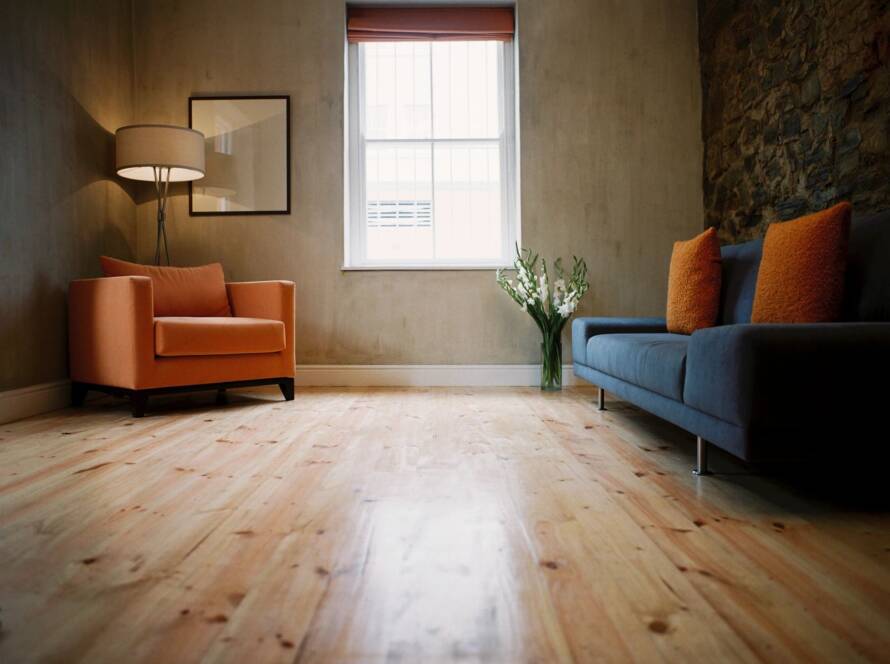
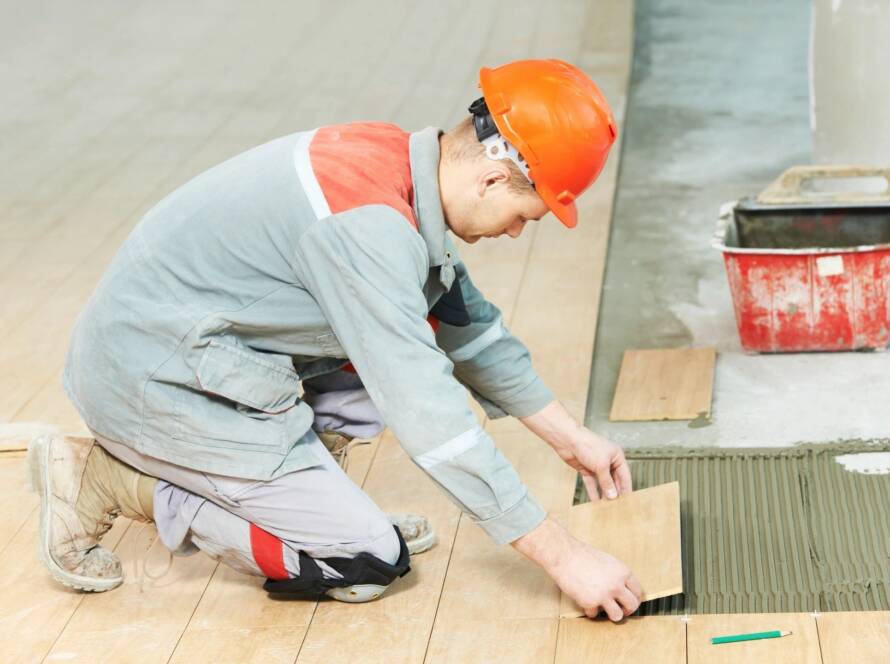
Chicago is known for many things—its iconic architecture, deep-dish pizza, and unpredictable weather. But one thing many homeowners don’t anticipate is how the Windy City’s extreme humidity fluctuations can wreak havoc on their wood flooring. Whether you’re installing new floors or considering a renovation, understanding how Chicago’s climate impacts solid hardwood and engineered wood is crucial for making an informed decision.
The question isn’t simply “which is better?” It’s “which is better for Chicago’s unique climate?” Let’s dive into how these two popular flooring options respond to the moisture challenges that define the Chicago experience.
Understanding Chicago’s Humidity Patterns
Chicago experiences four distinct seasons, and with them come dramatic shifts in humidity levels. During summer months, humidity can soar into the 60-80% range as moisture from Lake Michigan and frequent thunderstorms flood the atmosphere. Winter brings dry conditions that can drop indoor humidity to 20-30% when heating systems kick in, especially in older homes without proper humidification.
This 40-50% swing between seasons creates what experts call “seasonal wood movement.” Wood is hygroscopic, meaning it absorbs and releases moisture based on environmental conditions. When humidity rises, wood absorbs moisture and expands. When it drops, wood loses moisture and contracts. In a city like Chicago where these swings are particularly pronounced, this expansion and contraction cycle accelerates significantly compared to more stable climates.
How Solid Hardwood Responds to Chicago’s Humidity
Solid hardwood flooring consists of 100% wood throughout its entire thickness. This means the entire plank responds to moisture changes uniformly. While this creates beautiful, authentic aesthetics and allows for multiple refinishing opportunities, it also means solid hardwood is extremely sensitive to humidity fluctuations.
In Chicago’s summer, solid hardwood planks absorb moisture and expand. The floor may cup (edges higher than the center) or crown (center higher than edges) as individual boards swell at different rates. When winter arrives and humidity drops, these same planks contract and may develop gaps between boards that are noticeable and problematic.
Oak and other popular hardwood species used in Chicago homes can move anywhere from 1/8 inch to 1/4 inch per 12 inches of width when transitioning between summer and winter conditions. For a floor spanning 15 feet, this could mean cumulative movement of several inches across the entire room. This movement isn’t always damaging on its own, but when coupled with inconsistent subfloor conditions or improper installation, it can lead to cupping, crowning, buckling, and squeaking—issues that become increasingly expensive to remediate.
When you explore options for solid hardwood installations, understanding acclimation becomes critical. Professional installation requires hardwood to acclimate to your home’s environment for several days before installation, allowing the wood to adjust to your specific humidity conditions. However, in Chicago’s volatile climate, this acclimation period is just the beginning of ongoing management.
Why Engineered Wood Performs Differently in Chicago
Engineered wood flooring has a different structure that fundamentally changes how it responds to humidity. Instead of solid wood throughout, engineered planks consist of a thin veneer of real hardwood bonded to a plywood core. This cross-grain construction is specifically designed to reduce wood movement.
The plywood base resists expansion and contraction more effectively than solid wood because the perpendicular layers of veneer work against each other. When humidity rises and the top veneer wants to expand, the stable plywood core prevents excessive movement. Conversely, when humidity drops, the layered construction minimizes shrinkage and cupping risk.
Chicago’s humid summers pose less risk to engineered wood than solid hardwood. The stability of the plywood core means you’re less likely to experience the dramatic cupping or crowning that can plague solid hardwood floors during seasonal transitions. Engineered wood can handle humidity swings of 30-50% relative humidity with significantly less visible damage.
This stability advantage extends to installation flexibility as well. Engineered wood can often be installed directly over concrete subfloors, making it viable in basements and lower-level spaces in Chicago homes where moisture from concrete seepage is a concern. Solid hardwood cannot tolerate this application, requiring 6+ inches of clearance above grade.
The Moisture Barrier Challenge
Both flooring types benefit from proper moisture management, but the implementation differs. Solid hardwood relies heavily on:
- Proper subfloor preparation and moisture testing (subfloor moisture should be 12% or less)
- Installation techniques that allow for expansion
- Acclimation periods before installation
- Ongoing humidity management with humidifiers in winter
When you’re planning a solid hardwood installation for your Chicago home, understanding the before-installation moisture testing becomes non-negotiable. Many hardwood failures occur not because the flooring is defective, but because subfloor moisture levels exceeded acceptable ranges.
Engineered wood provides additional built-in protection through its moisture-resistant plywood core. However, this doesn’t mean moisture management becomes irrelevant. Excess moisture from leaks, flooding, or concrete seepage can still damage engineered wood—it just takes more extreme conditions.
Seasonal Gaps and Expansion: What to Expect
One of the most common concerns Chicago homeowners express is seasonal gapping—those gaps that appear between hardwood floor boards in winter. This is a natural, expected occurrence in both solid and engineered hardwood installations when humidity drops.
With solid hardwood, these gaps can be quite pronounced. A floor installed during relatively humid spring conditions may develop 1/8-inch gaps or more between boards by December. While this typically closes back up when spring humidity returns, the cycle is frustrating and impacts the aesthetic appeal of your floor.
Engineered wood significantly reduces this issue. Because the plywood core constrains movement, you might see minimal to no visible gapping even during Chicago’s driest winters. This is a substantial advantage for homeowners who find the seasonal movement of solid wood annoying or unacceptable.
Installation Considerations for Chicago Climates
Choosing between solid and engineered wood requires considering how professional installers will handle Chicago’s unique challenges. For solid hardwood, proper installation in Chicago involves:
- Acclimation for 3-7 days in the installation environment
- Moisture testing of subfloors to ensure 9-12% moisture content
- Installation techniques that accommodate expected expansion (leaving gaps at walls, avoiding overly tight layout)
- Radiant heating systems managed carefully (temperatures kept moderate to prevent excessive shrinkage)
For engineered wood, while more forgiving, installation still matters:
- Engineered wood has a maximum moisture tolerance (typically 16% or higher becomes problematic)
- Proper subfloor preparation prevents moisture migration
- Installation methods vary (floating, glue-down, or nailed)
- Acclimation isn’t always required, but recommended in Chicago’s climate
Long-Term Maintenance and Chicago’s Seasonal Cycles
Over 10-15 years in a Chicago home, the humidity cycling adds up. Solid hardwood requires more vigilant moisture management:
- Running a humidifier during winter months to keep humidity above 35%
- Using dehumidifiers during summer if humidity exceeds 60%
- Regular maintenance to catch cupping or crowning early
- Potential for expensive repairs or replacement in problem areas
When you’re investigating flooring care and warranty information, you’ll notice that most hardwood warranties specifically address humidity-related issues and the necessity for proper environmental controls.
Engineered wood, being more stable, requires less intensive seasonal management. However, it still benefits from humidity control to maximize its lifespan and appearance.
When Solid Hardwood is Worth the Extra Management
Despite the challenges, many Chicago homeowners still choose solid hardwood. The advantages that justify the extra care include:
- Authentic beauty and warmth that engineered wood cannot fully replicate
- Refinishing capability—solid hardwood can be sanded and refinished multiple times, essentially renewing the floor
- Greater durability in terms of replacement cycles
- Better value if you plan to stay in your home for 20+ years
- Superior sound and feel underfoot
Solid hardwood becomes the right choice when you’re committed to proper humidity management and prepared for seasonal variations.
When Engineered Wood Becomes the Smart Chicago Choice
Engineered wood excels in Chicago homes because it:
- Tolerates the city’s humidity swings without visible damage
- Suits basements and lower-level installations where moisture is higher
- Requires less seasonal environmental management
- Offers similar aesthetic appeal with greater stability
- Performs well with radiant heating systems
- Provides good value for those staying 10-15 years
For Chicago’s climate, engineered wood is often the low-maintenance, performance-focused choice.
Installation Services and Professional Guidance
Regardless of which option you choose, professional installation is crucial in Chicago. Your installer needs to understand local humidity patterns and must follow protocols specifically designed for our climate. When you’re exploring installation and repair services in the Chicago area, ensure your contractor has specific experience with hardwood installations in our region and understands seasonal movement management.
Poor installation can doom even the highest-quality engineered wood, while professional installation can make solid hardwood perform beautifully despite humidity challenges.
Making Your Decision
Choosing between solid hardwood and engineered wood for your Chicago home ultimately depends on:
- Your commitment to maintenance: Solid hardwood requires more seasonal humidity management
- Application: Basements and lower levels favor engineered wood
- Longevity plans: Staying 20+ years justifies solid hardwood; 10-15 years favors engineered
- Aesthetic priorities: Pure hardwood offers unmatched beauty, but engineered has improved dramatically
- Budget considerations: Both offer options at various price points depending on wood species and quality
Chicago’s unique climate demands respect when selecting wood flooring. The city’s humidity swings are not just an inconvenience—they’re a primary factor in determining which flooring type will perform best in your specific application.
Final Thoughts
Neither solid hardwood nor engineered wood is universally superior for Chicago homes. Each responds differently to the moisture challenges that define life in the Windy City. Solid hardwood delivers classic beauty and refinishing capability but demands commitment to humidity management. Engineered wood provides stability and lower maintenance while still offering genuine hardwood aesthetics.
By understanding how these materials behave in Chicago’s drastic seasonal humidity swings, you can make an informed decision that aligns with your home, your lifestyle, and your climate. Whether you ultimately choose the authentic performance of solid hardwood or the reliable stability of engineered wood, professional installation and proper environmental controls will ensure your Chicago home has floors that remain beautiful for decades.